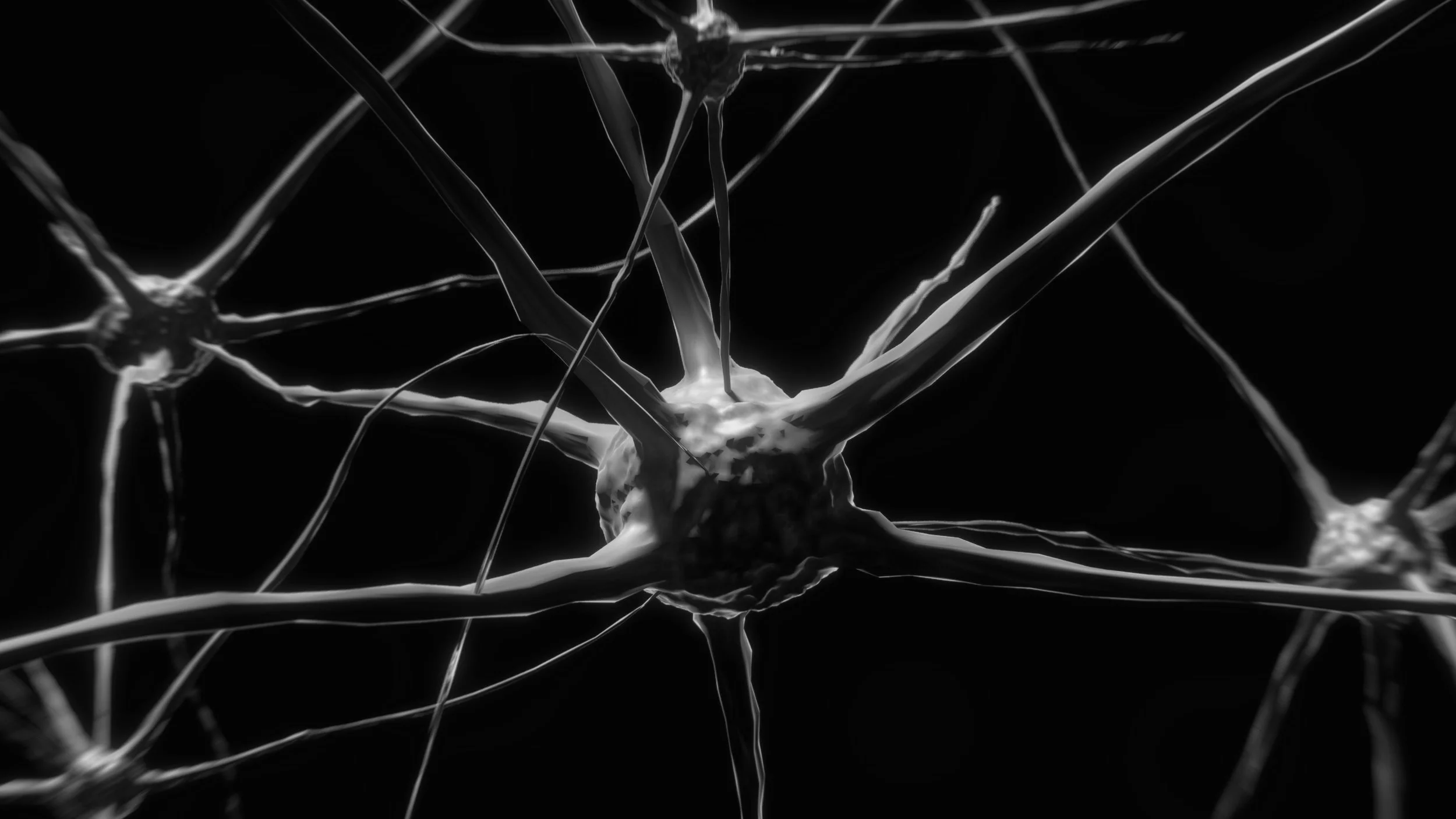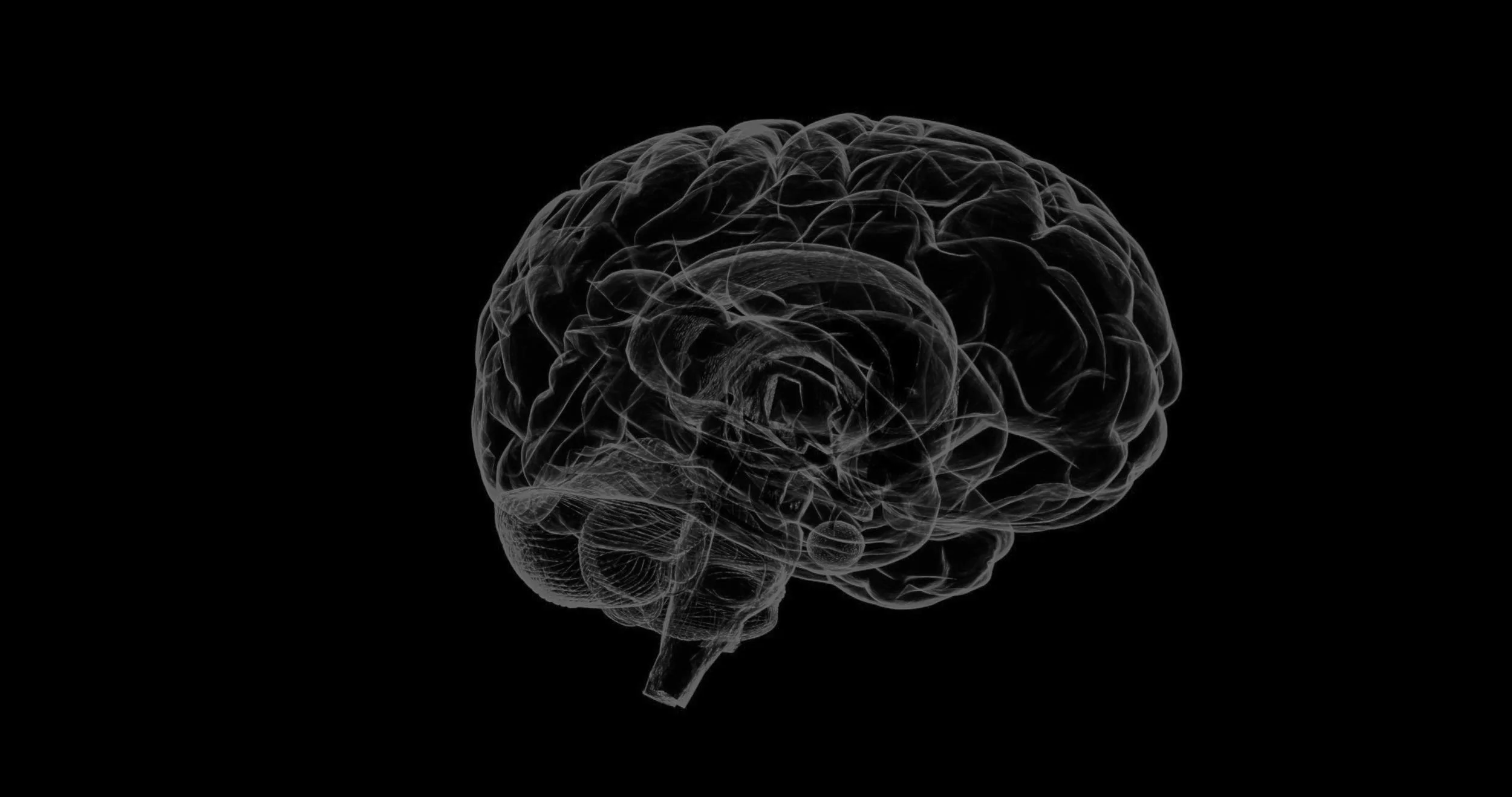
scineo specializes in performance neurology
Helping athletes unleash their potential and get over recuring injuries, concussions and performance deficits
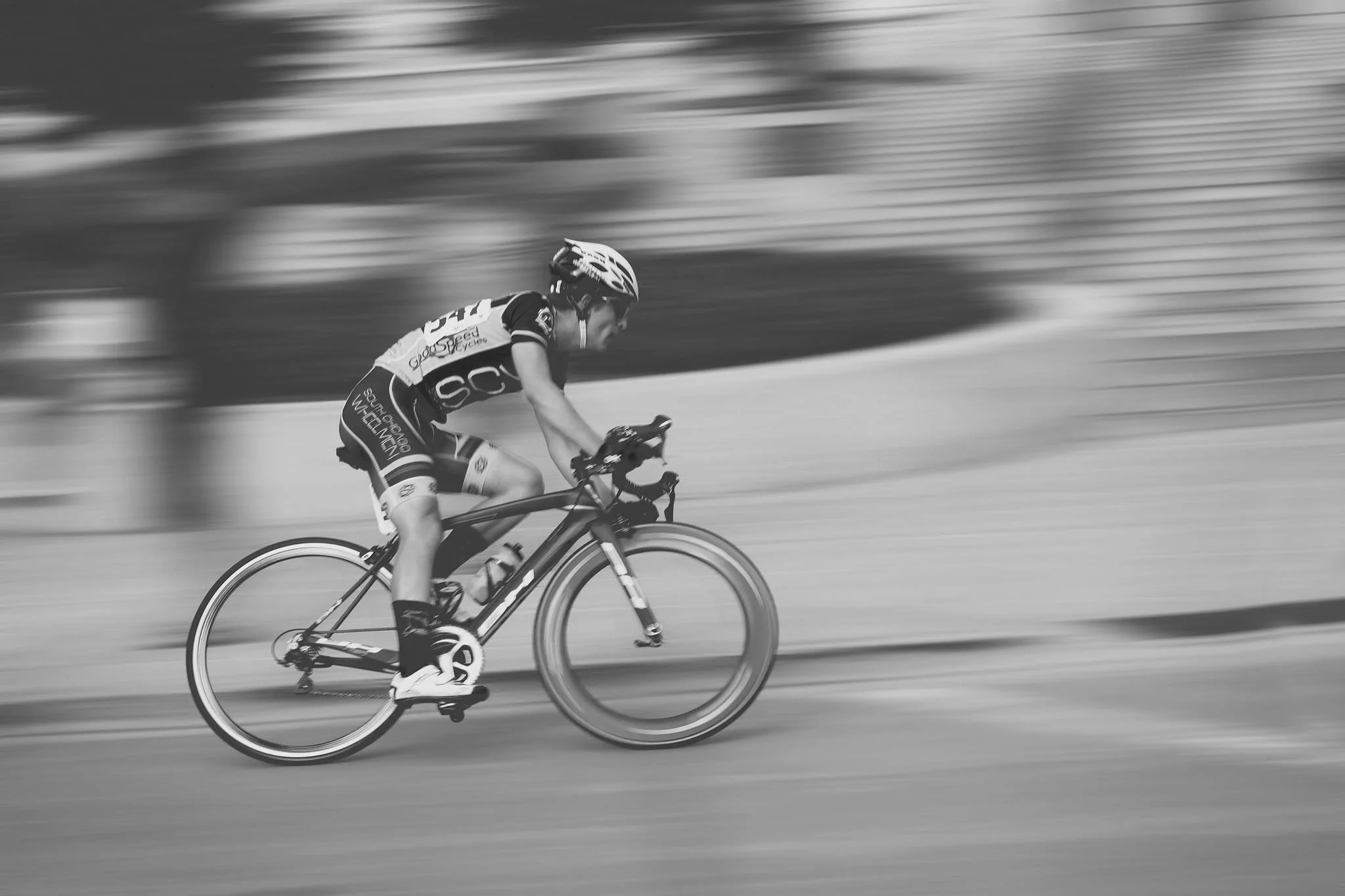
Speed & Power
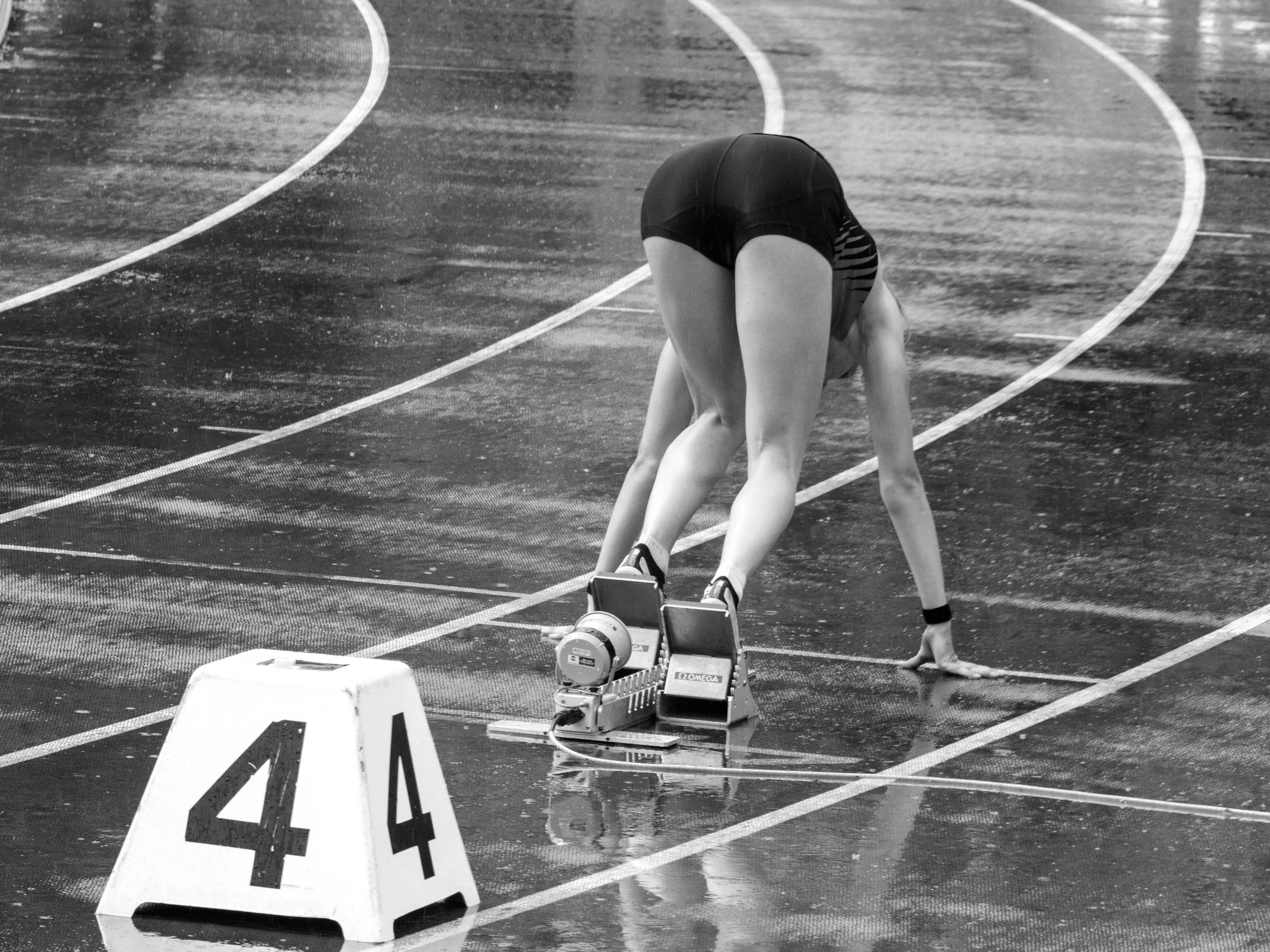
Timing & Cognition
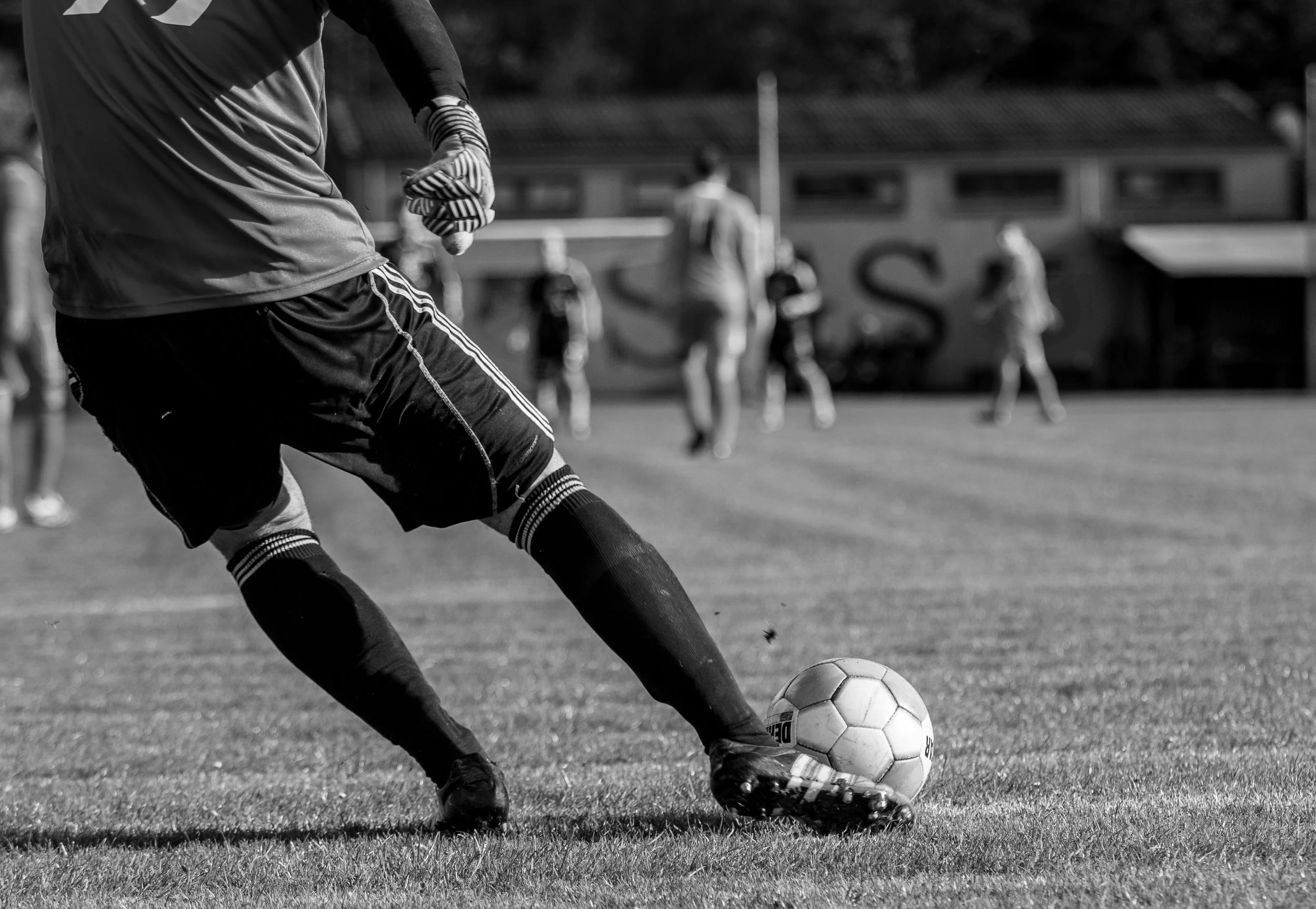
Coordination & Accuracy
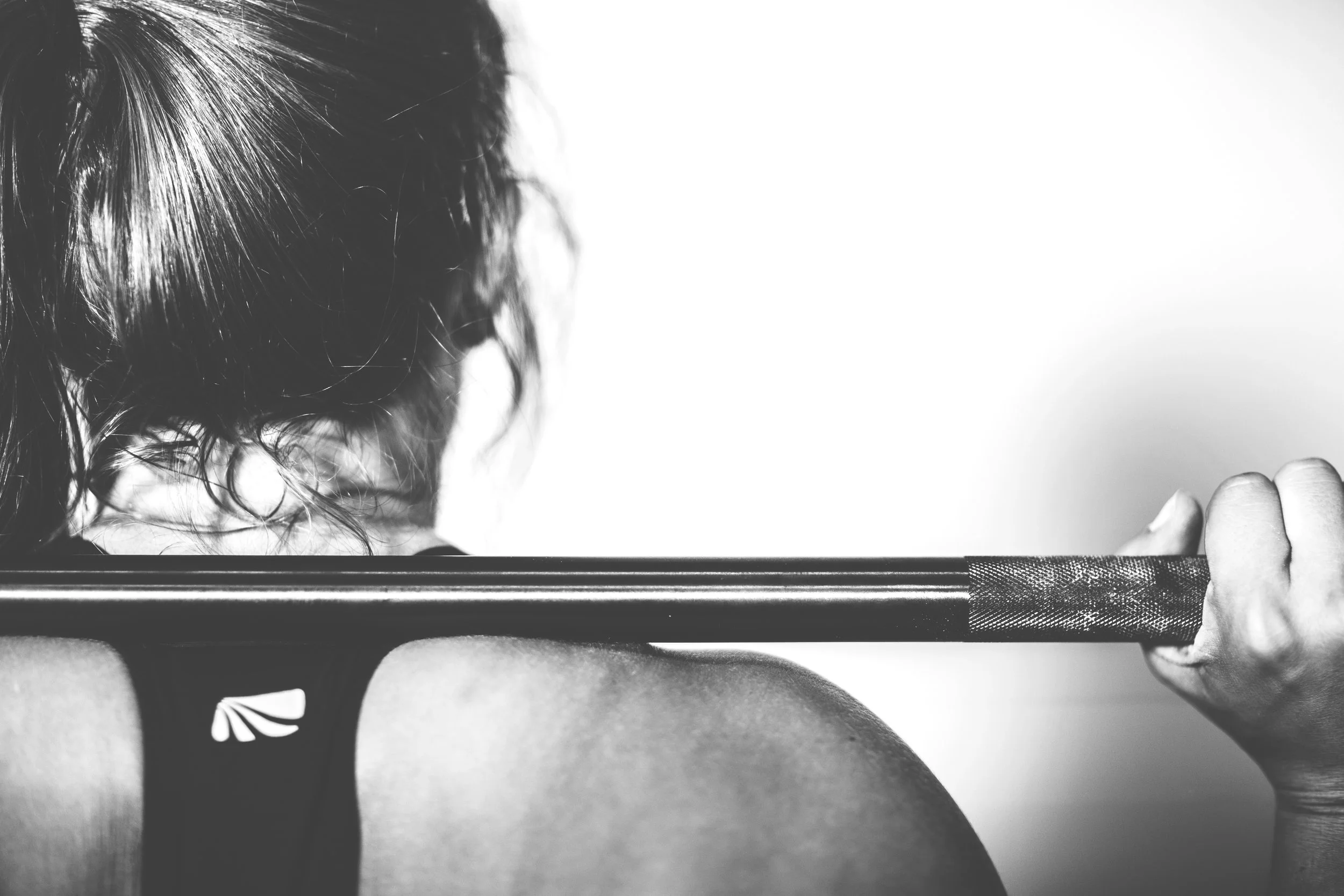
Capacity & Endurance
Speed & Power
Timing & Cognition
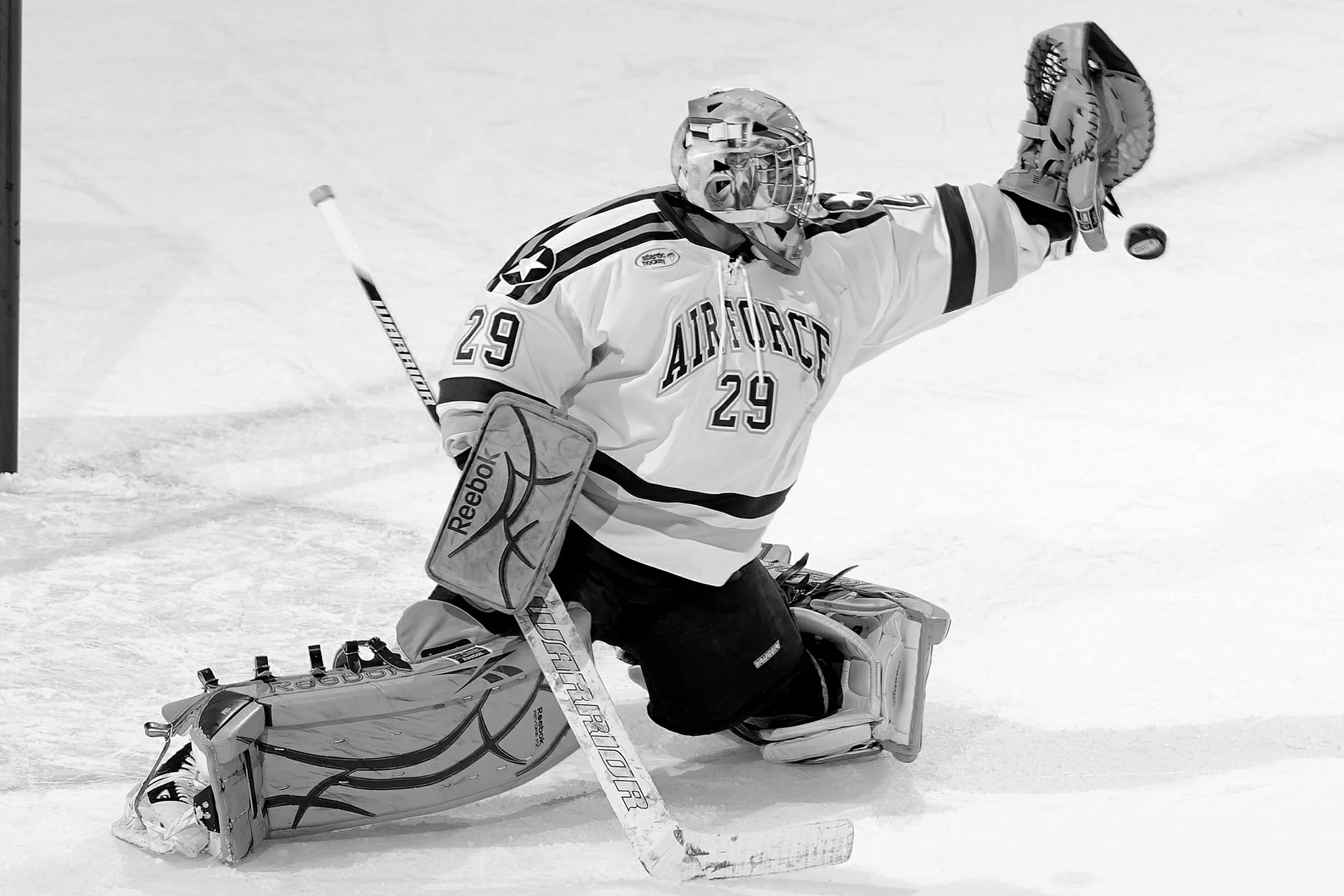
Coordination & Accuracy
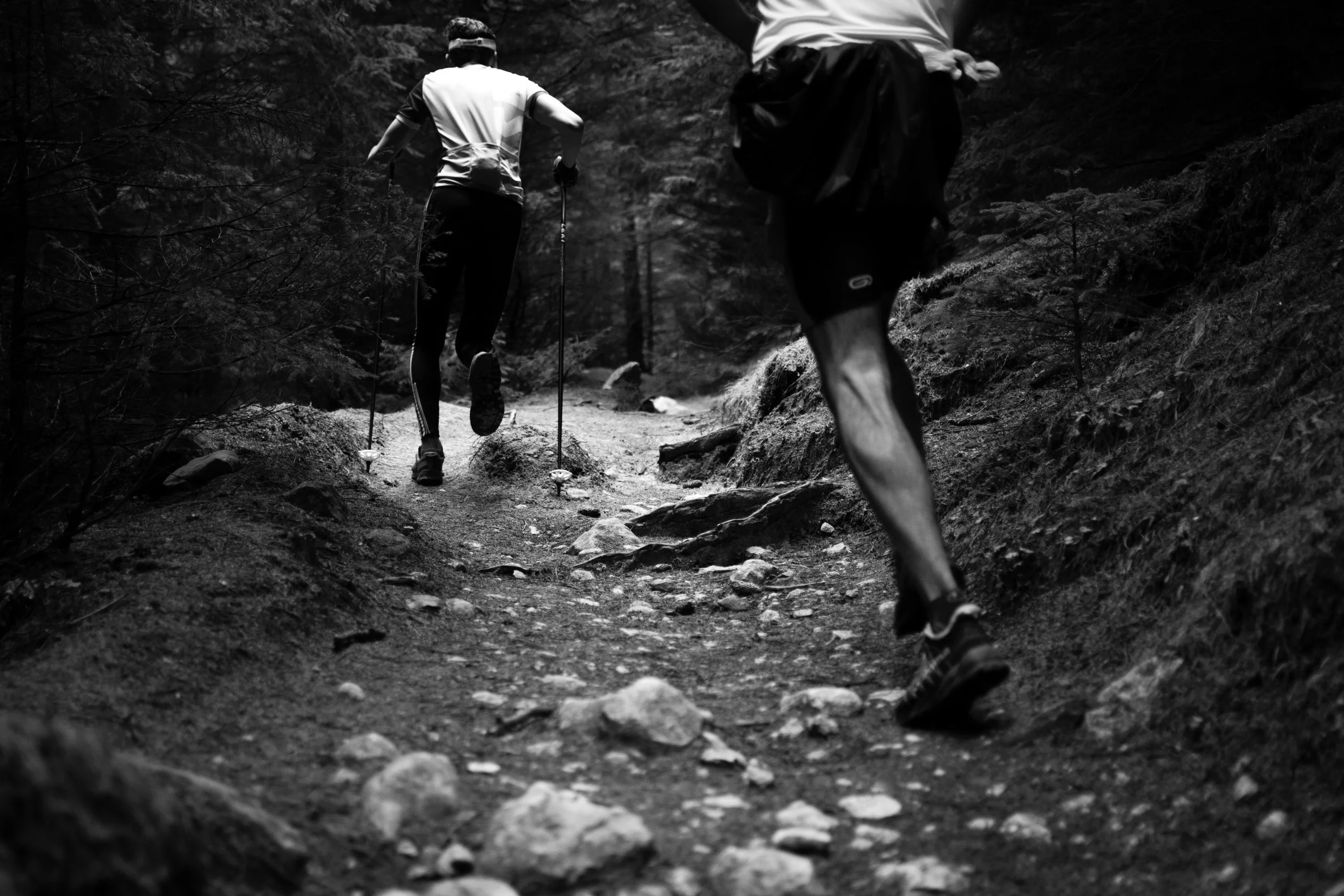
Capacity & Endurance
brain fatigue
and why it matters
Just like other parts of the body respond to PROGRESSIVE OVERLOAD in training, so does the brain.
When we load the brain with enough specificity, consistency and intensity it adapts, becomes SHARPER, STRONGER and FASTER.
Brain Endurance Training (BET) aims to
… increase time to exertion (TTE)
… lower rate of perceived exertion (RPE)
… increase endurance performance
… lower reaction time
…improve speed and lower errors in decision making
Neuro Performance Training (NPT) furthermore aims to
… increase accuracy in hand-eye coordination
… improve anticipation ability
… improve cognition and mental performance
… decrease reaction time to visual, auditory and proprioceptive stimuli
… decrease variation in mental performance
… Improve attention
… allow for overall better cognition during fatigue
neuro function
optimization
Excellent movement for your sport
Excellent balance
Excellent vision
Excellent decision making ability
Poor movement and coordination makes you slow and prone to injury.
If you balance poorly, your brain will have to make compensations to keep you from falling - this creates unwanted tension and makes you slower.
Poor vision affects your ability to observe and orient yourself quickly. Vision is also closely tied to balance and midtline reflexive stability.
Your ability to inhibit unwanted impulses and make a decision based on your training - and do so quickly - is one of the major differences between the elite and the average athlete.
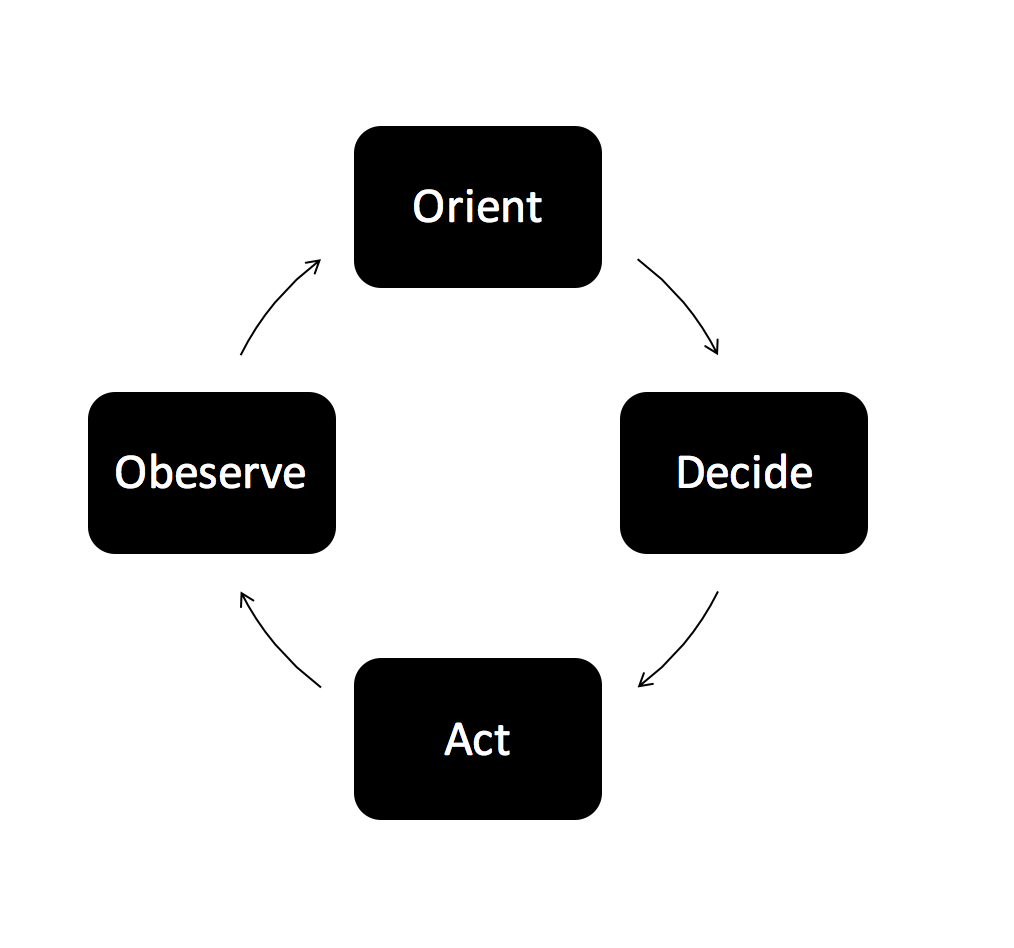
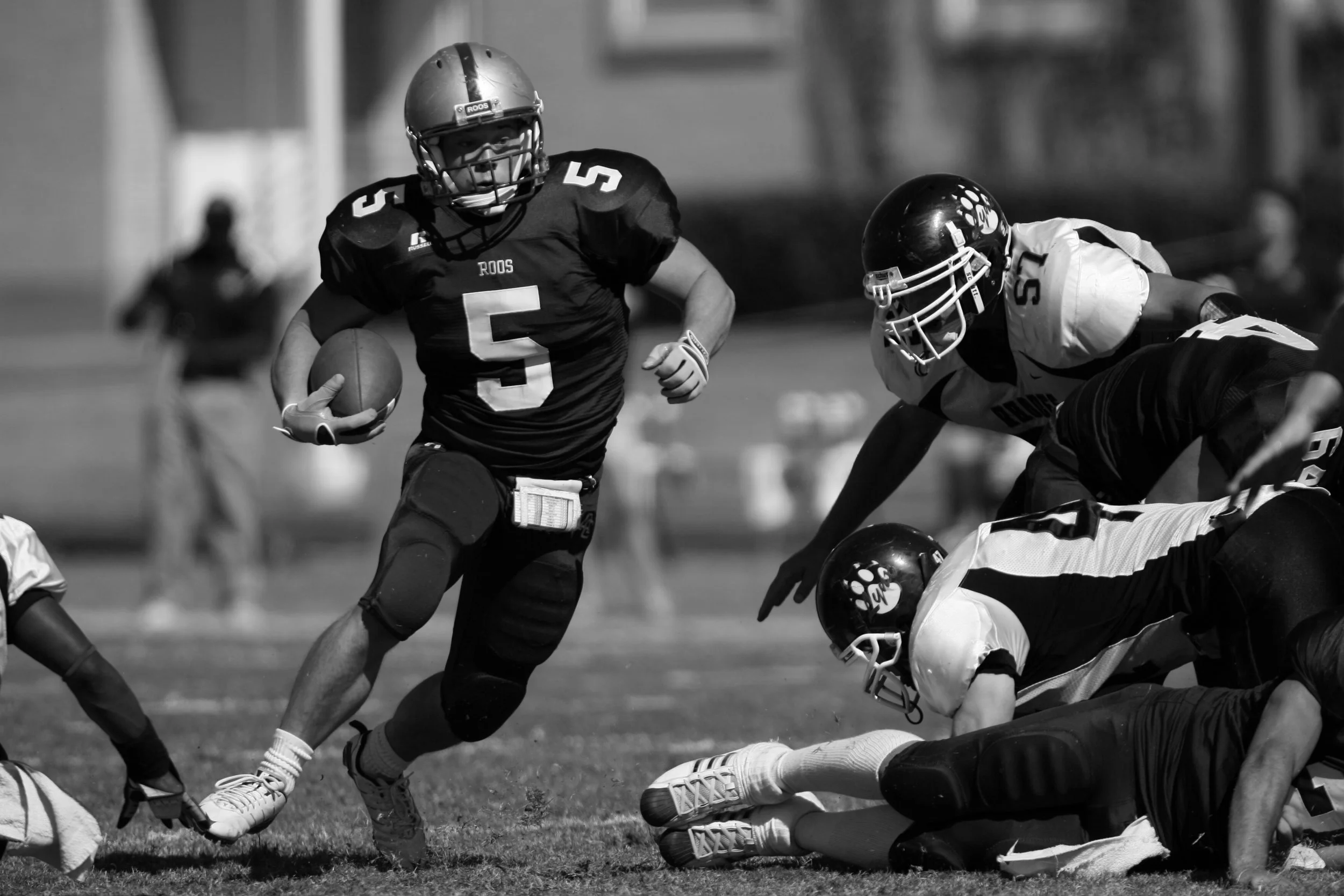
observe-orient-decide-act
Think about it like this! To be fast you need updated brain software. You also need increased capacity - more neural connections - to handle more information fast.
This is what performance neurology is all about. Tuning your systems to the environment you want to perform in.
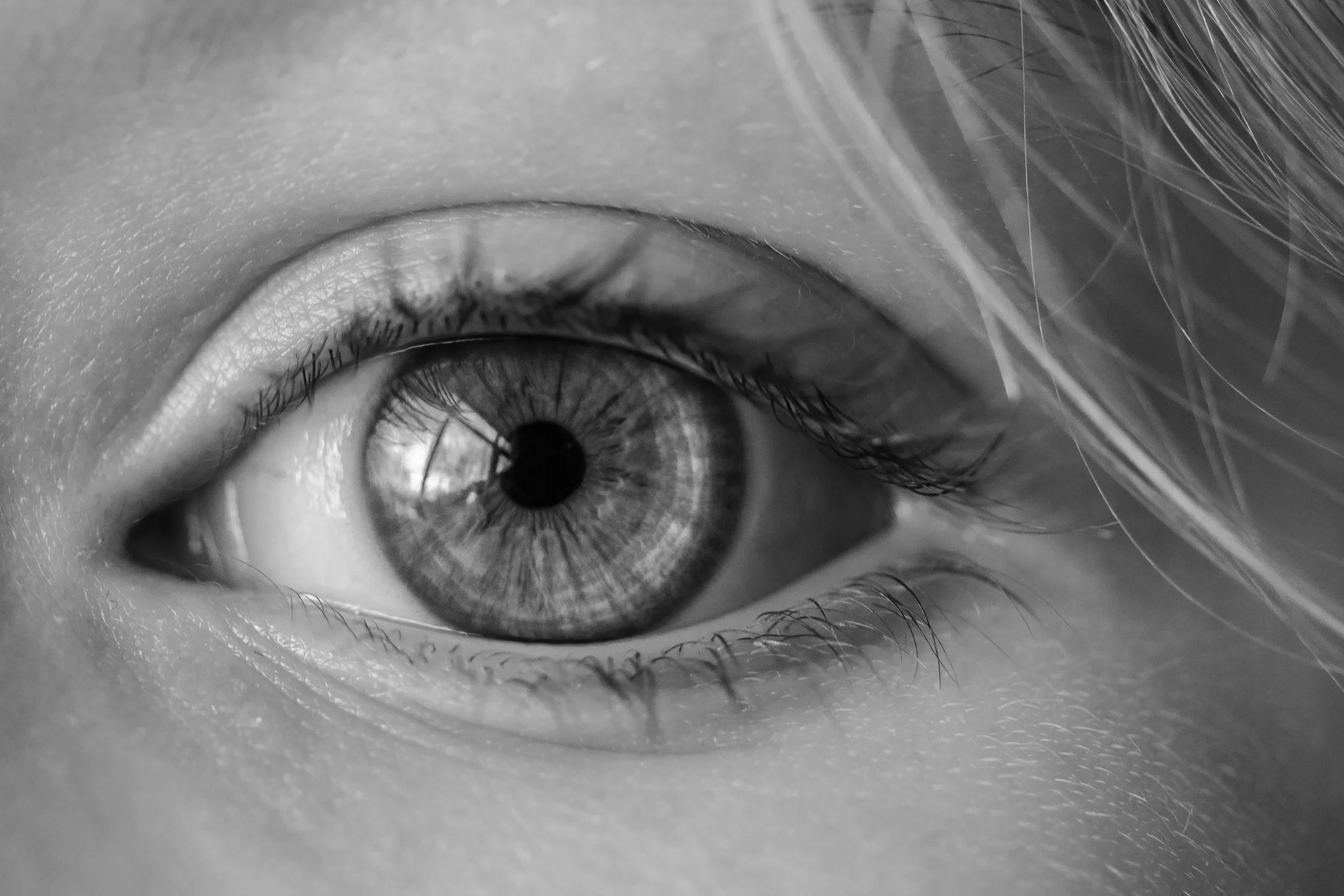
improved vision
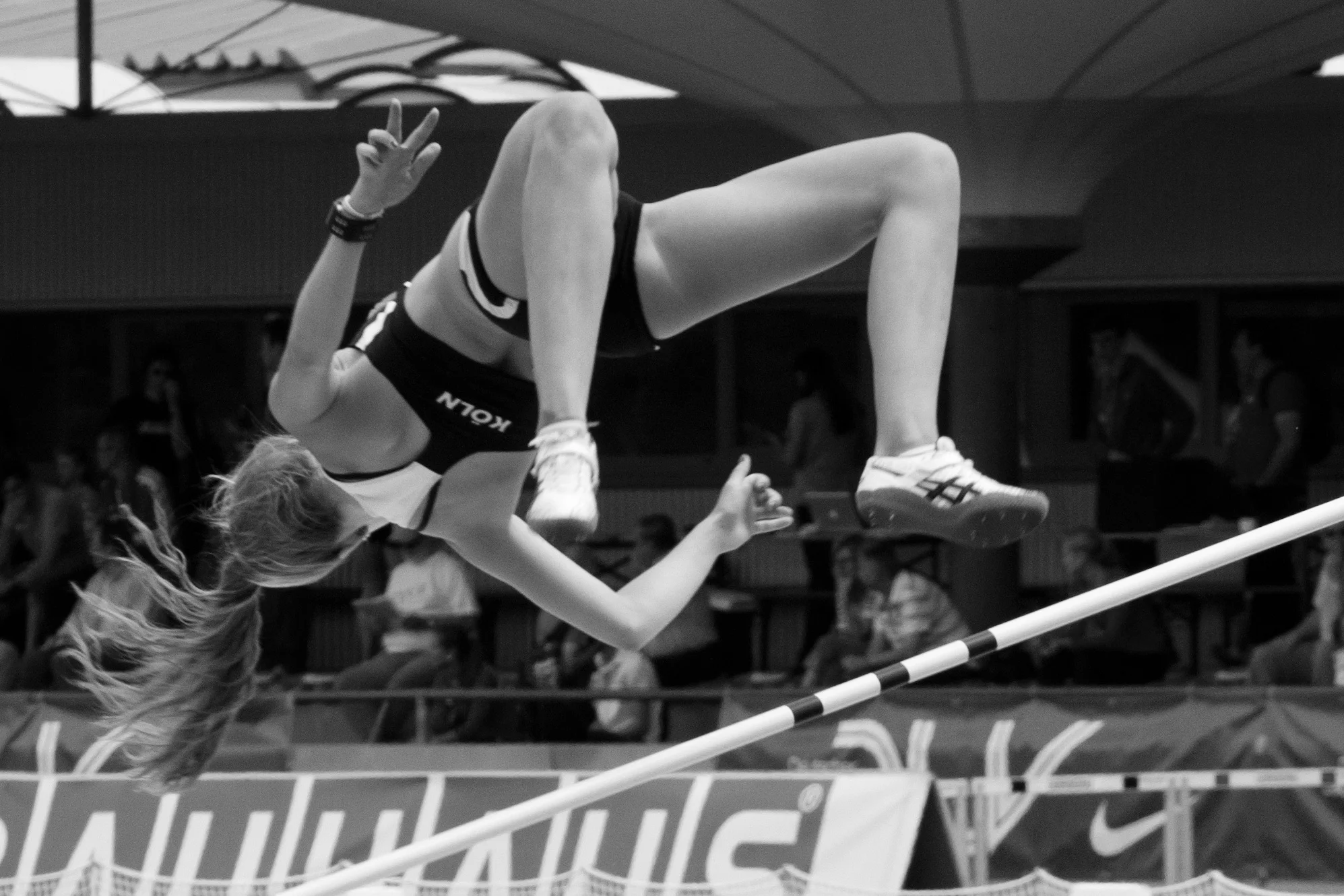
better balance
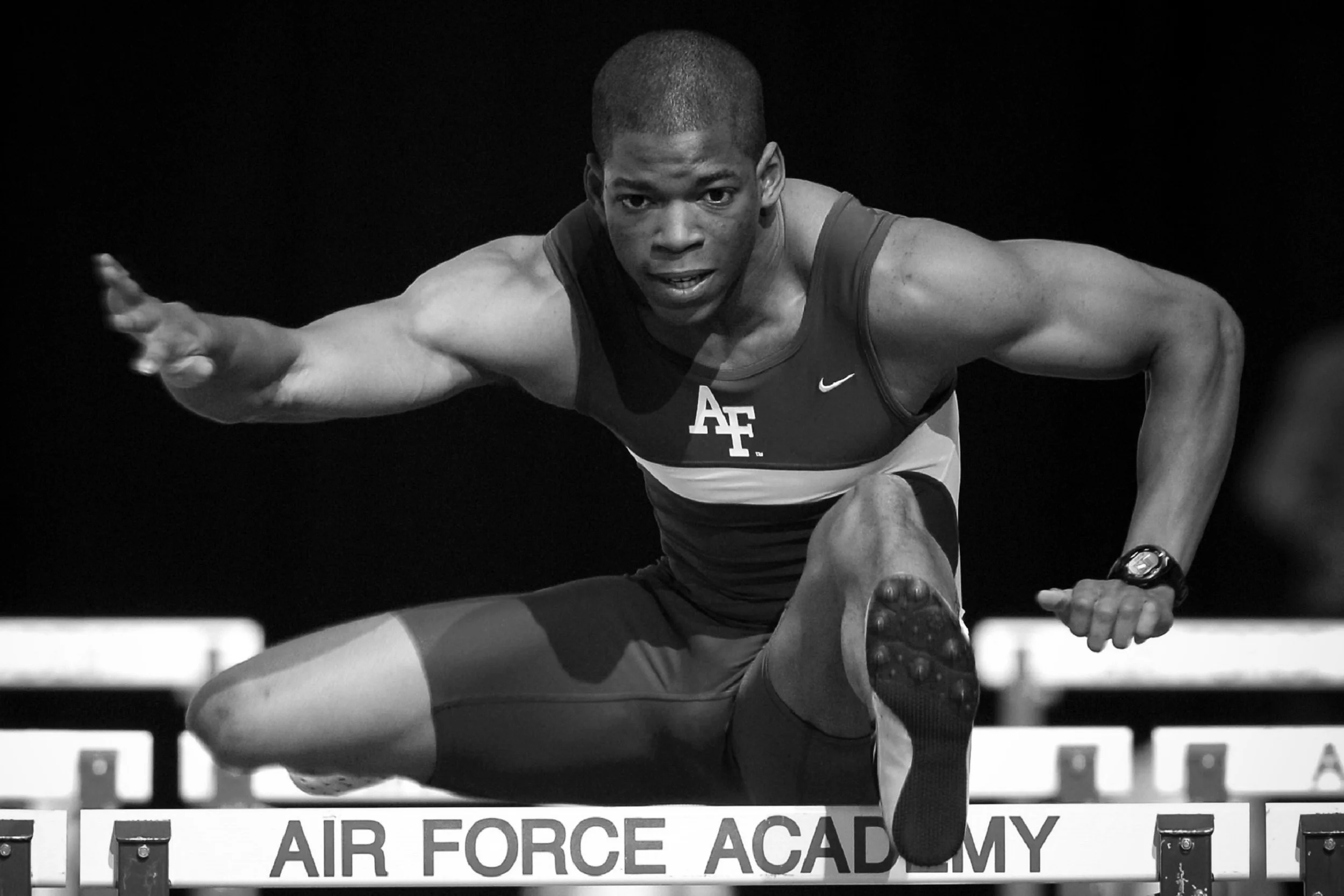
freedom in movement
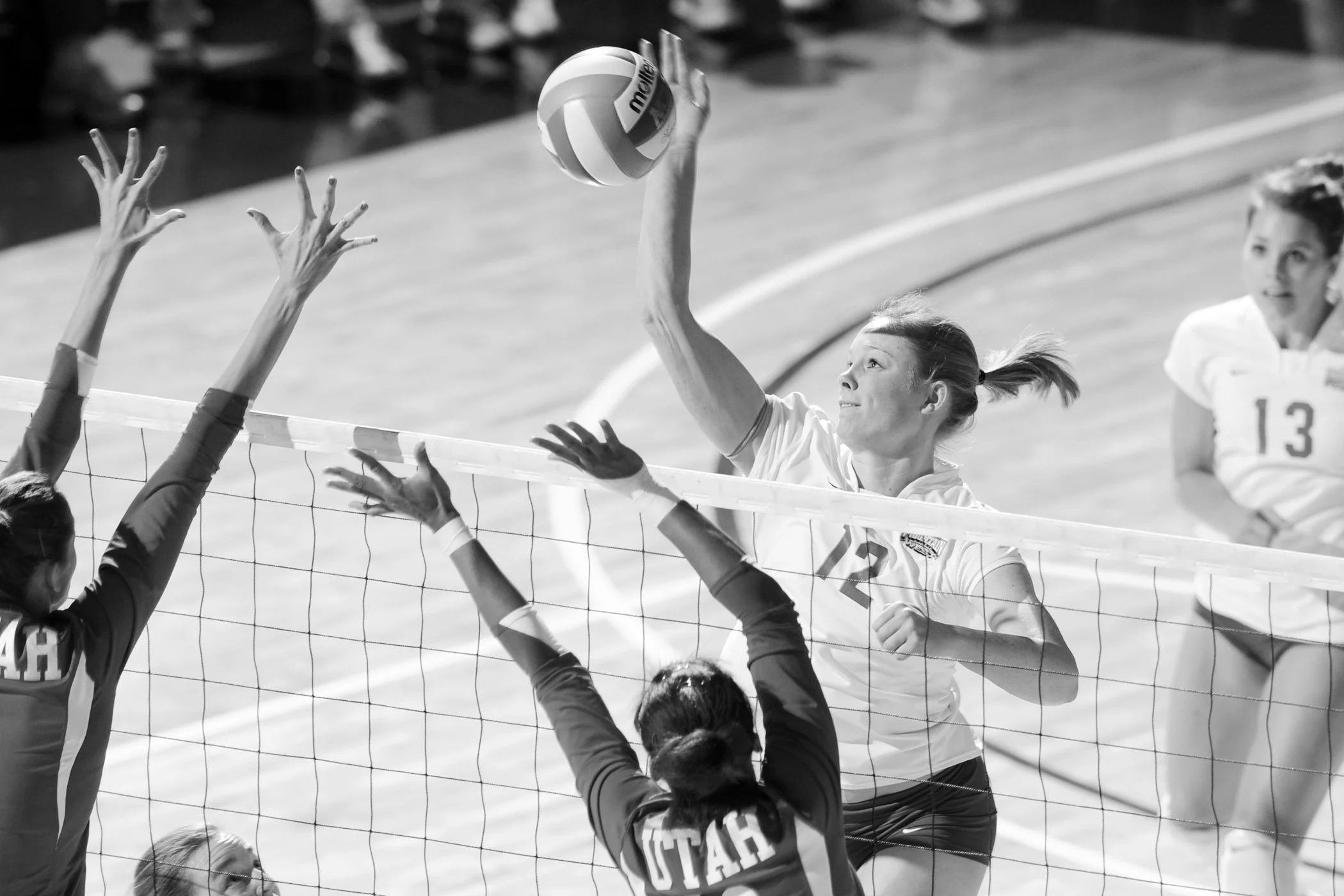
better decision making
pushing your performance
DRIVEN BY DATA
By collecting data on your performance using state of the art technology we are able to track, adapt and customize a training program to you that will push your performance to new heights.
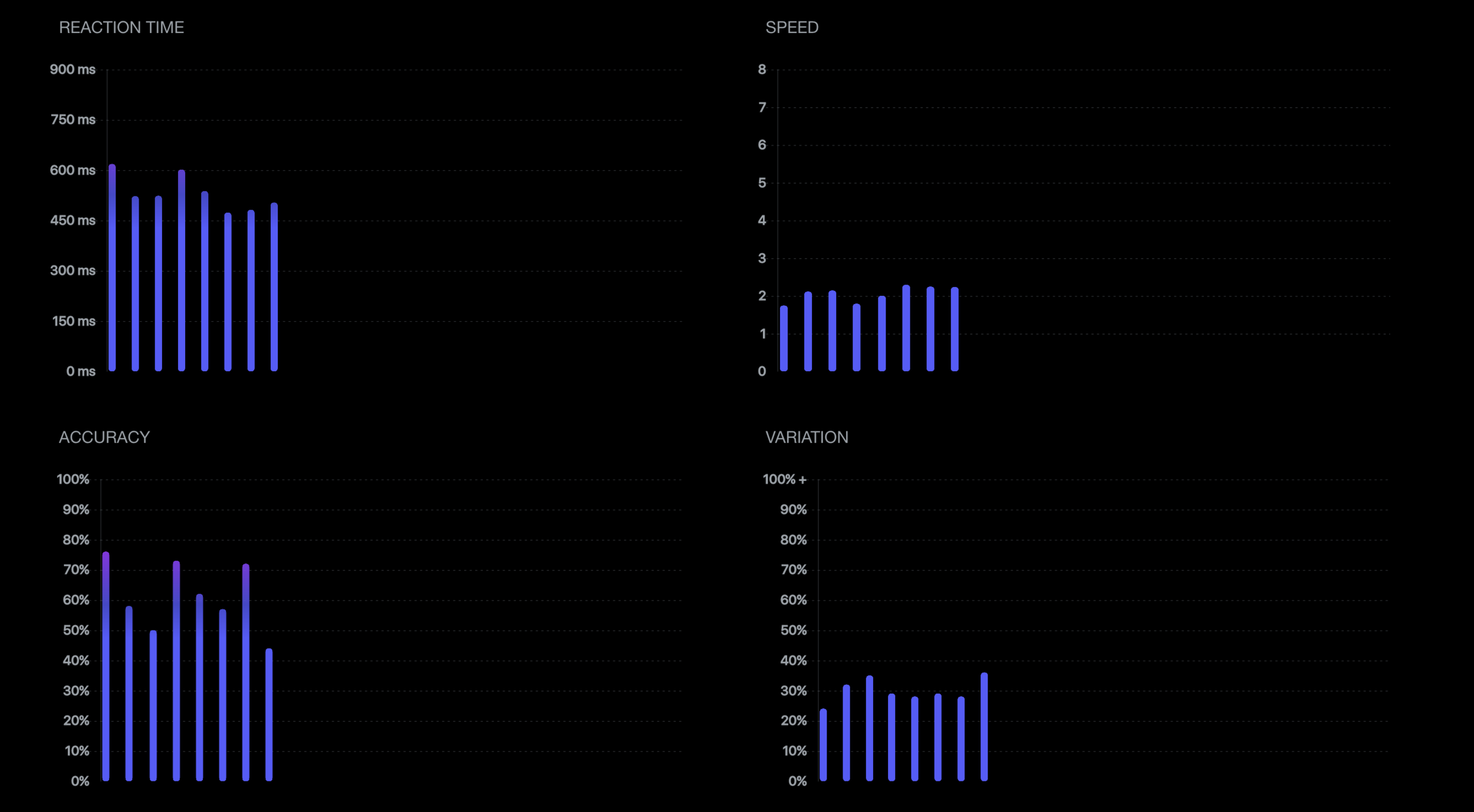
We look at trends over time within specific parameters and performance indicators relevant for your sport.
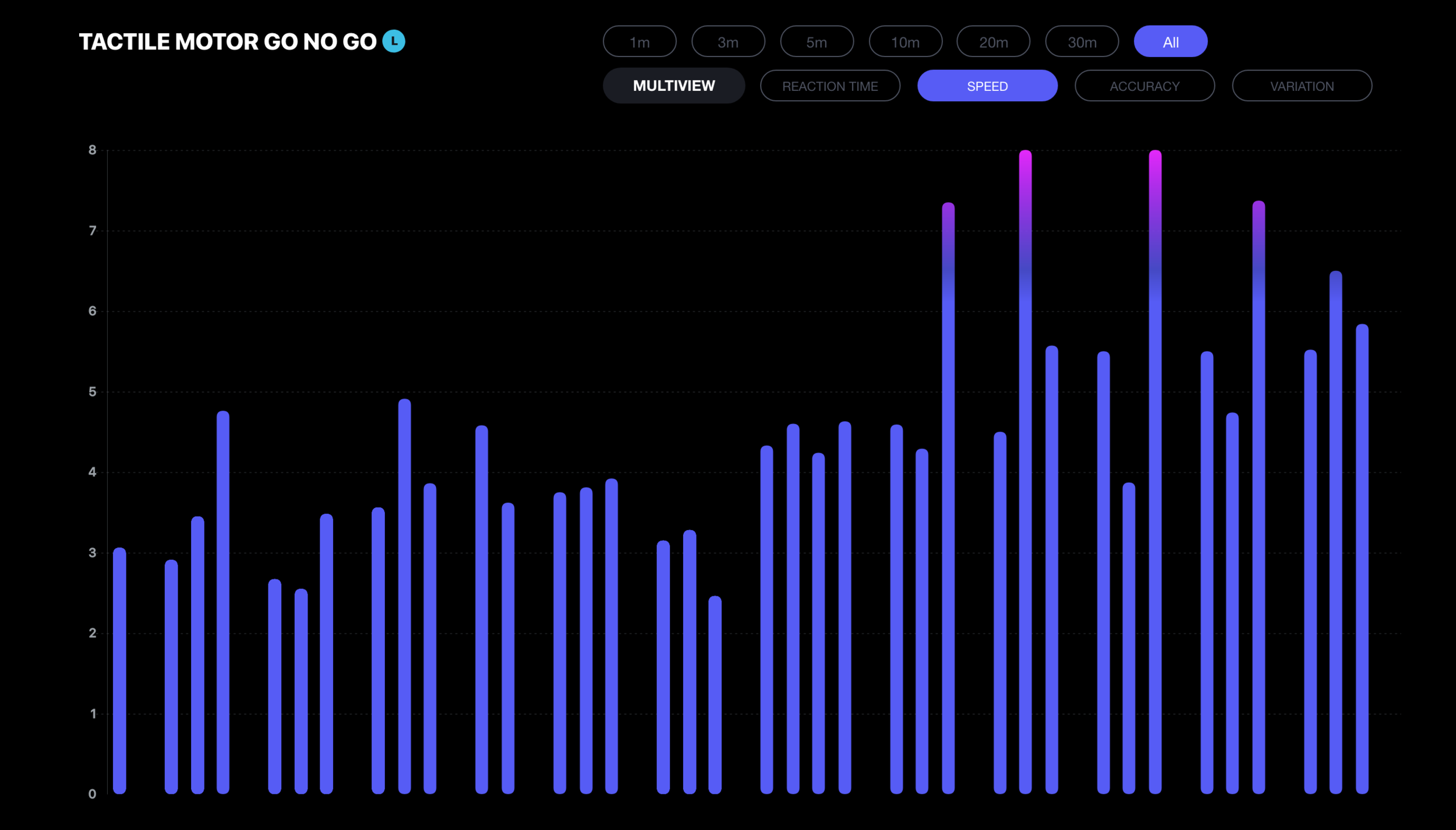
Below is an example of an athletes motor response to a tactile input over a 4 week period.
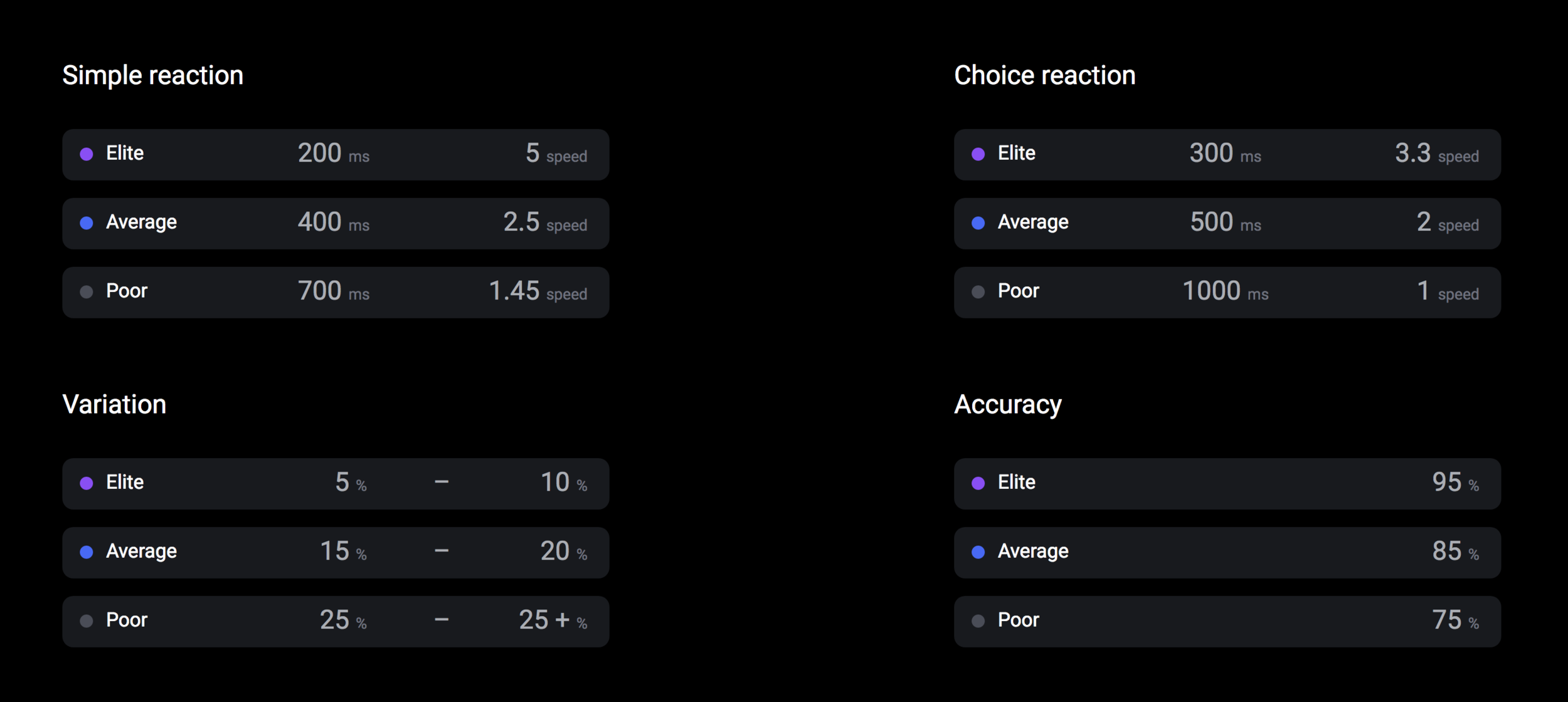
See how your data compares to other athletes and people from around the world.
No more guessing.
drills that work
Backed by Science
Brain Endurance Training (BET) is a new form of training that aims to improve the brains capacity to withstand mental fatigue and increase endurance.
Neuro Performance Training (NPT) furthermore aims to improve the brains overall navigational systems to make you move faster, better and with more precision and power.
NPT also deals with the neurophysiological aspect of neuro cognitive ability to make you better fast decision making, improved consistency, accuracy and reaction time.
The drills employed with athletes have been tested and used extensively elsewhere;
… by organizations such as NASA and the US NAVY to test personel vigilancy.
… by sports scientist to induce fatigue in high level athletes of various disciplines.
… by sports scientist to study performance adaptations after BET in athletes.
… in the realm of functional neurology to rehabilitate recurring injury and pain.
… in vestibular and visual rehabilitation to improve patients suffering from traumatic brain injury and concussions.
We use a wide range of drills to target different systems and areas of the brain.
To give you and idea of what a drill might look like, here are three different ones.
Inverted stroop tests and trains your ability to make rule based decision (cognitive choice) - used extensively in brain fatigue research.
Fusion tests and trains your sportsvision and the ability to keep your eyes steady, tracking and working together to create god depth perception - used extensively in vision and vestibular research and training.
Anticipation tests and trains your ability to anticipate when the blue moving squares arrive at the white square - a skill that has shown to carry over into sports specific performance in various sports such as football, basketball, baseball etc. - used in sports specific brain fatigue research.
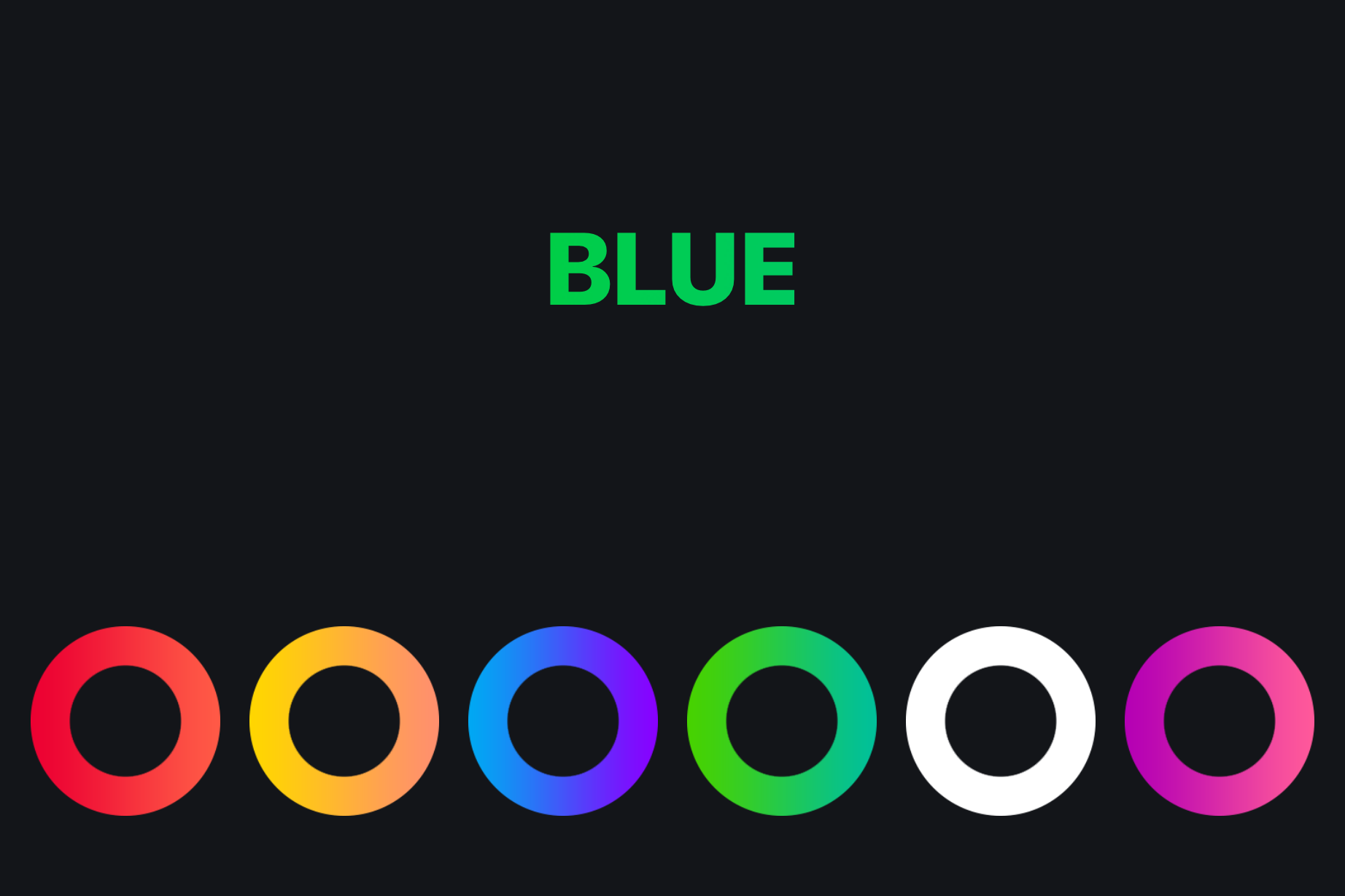
Inverted Stroop
Pick the color described not the color of the word

Fusion
Make the to circles overlap in the midde, creating a 3D looking circle
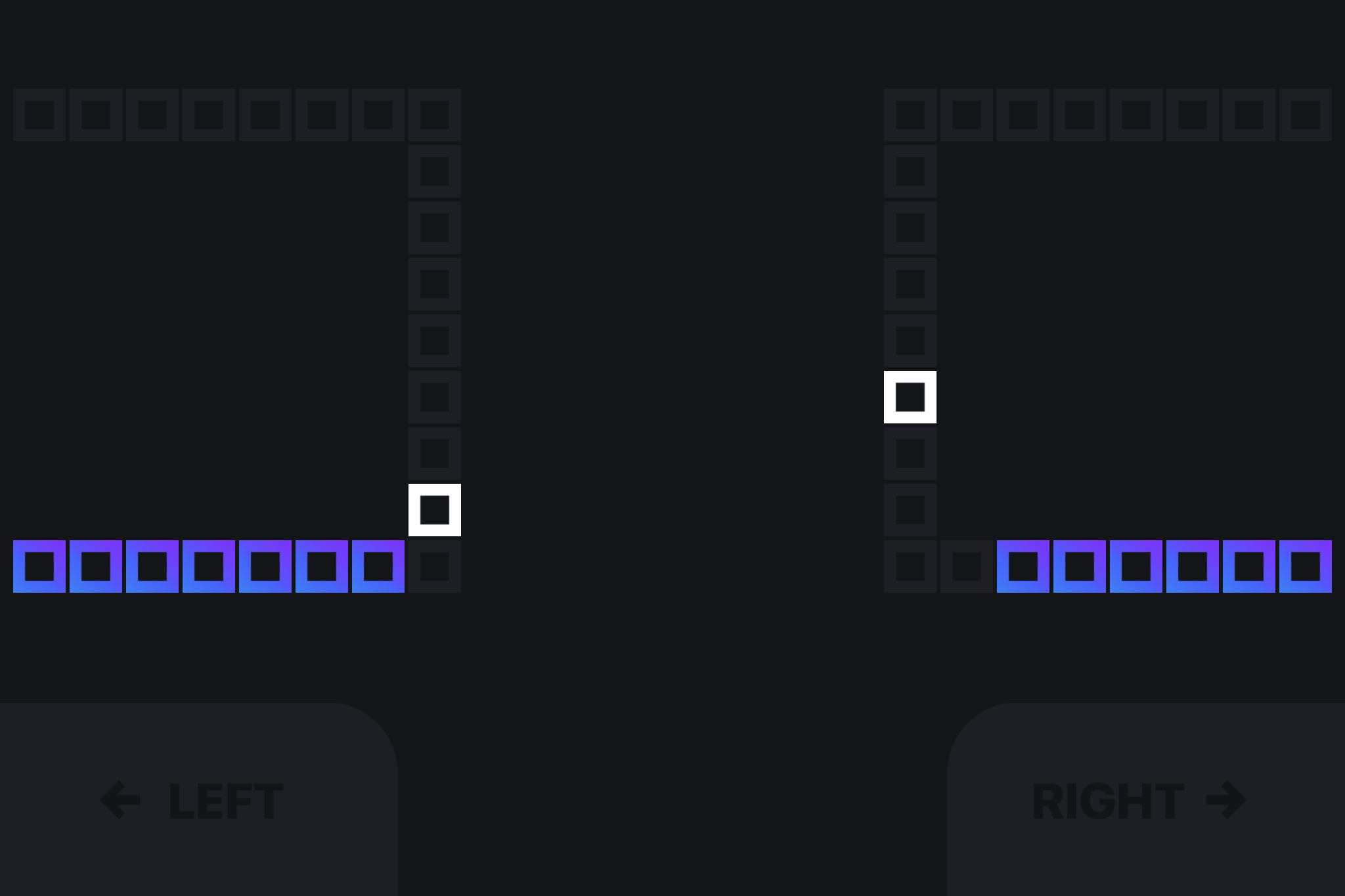
Anticipation
Anticipate when the blue squares will hit the white
science
The advances in technology made in the last decade has pushed science into a new era where researchers are now more than ever capable of examining how the brain makes us navigate the world safely, efficiently and effectively.
In this section you will find references to work supporting brain endurance training (BET) as a methods of improving athletic ability.
… leads to a reduction in cycling time to exhaustion at 80% peak power output due to ↑ RPE
(Marcora et al. 2009).
… leads to increased electroencephalogram (EEG) beta-band activation, increased feelings of fatigue and reduced power output during cycling.
(Brownburger et al. 2013)
… results in decreased physical performance in rowers, rugby and hockey players
(Dorris, Power, and Kenefick, 2012)
… impairs soccer-specific technical and physical performance (Running distance in Yo-Yo IR1 ↓)
(Tolson, J., 2017).
… is a key regulator of technical performance of basketball players and seems to modulate endocrine and autonomic responses
(Moreira, A. et al. 2018).
… leads to an altered perception of performance during submaximal exercise due to higher-than-normal perception of effort
(Pageaux, B et al., 2015) (Smith, M et al. 2015).
… significantly reduces velocity at low intensities of a self paced running test
(Smith, M et al. 2015).
… negatively influences attention, action monitoring and cognitive control
(Boksem, & Tops, 2008).
… negatively influences manual dexterity and coincidence anticipation test
(Duncan, M et al., 2015).
… negatively influences performance on sub-maximal resistance training exercises
(Graham, J et al., 2016).
Since only a small group of sports performance trainers are pioneering brain endurance training (BET) - no pear reviewed scientific research has yet to be published.
Besides case studies from the pioneers of this method - there are a few studies examining the effect of a longer period of BET on sports performance. Although none have been published in a peer reviewed paper yet, they present some interesting findings that support what we have seen in casestudies so far.
A Randomized Controlled Trial of Brain Endurance Training (BET) to Reduce Fatigue During Endurance Exercise
… the combination of BET and standard endurance training is more effective than standard endurance training alone in ameliorating measures of fatigue (TTE and RPE) (Marcora et al., 2015).
Cognitive overload with brain endurance training boosts performance in professional football players
(currently in pear review - expected publication ~early 2019)
… players showed a 11% vs. 3.7% reduction in reaction time to a cognitive task in BET vs. control group respectively
(unpublished data)
… testing on reactive agility the BET group improved speed and error making significantly compared to the control group (unpublished data)
… players in the BET training group completed the decisional phase of sprint, on average, faster than the control group in the RSA Random Test (unpublished data)
…a reduction in the perception of effort for a specific task, compared to a control condition, and thus improvement in performance. (submitted for publication)